
Trans-Seasonal Styling: The Essential Closet Pieces for the Summer-to-Fall Transition

The transition from summer to fall can be one of the most challenging times of year to dress for. One day can feel warm and summery, while the next brings cooler mornings, changing temperatures, and the unmistakable feeling that a new season is approaching.
For personal stylists and image consultants, this period offers an excellent opportunity to help clients rethink how they use their wardrobes. Rather than putting summer clothes away and immediately replacing them with heavier fall pieces, trans-seasonal styling bridges the seasons.
The goal is not to build an entirely new wardrobe every few months. It is to create a versatile closet where existing pieces can be layered, recombined, and adapted as the weather changes.
For stylists, this is also an important lesson in thoughtful wardrobe management. A well-planned trans-seasonal wardrobe can help clients shop more intentionally, make better use of what they already own, and develop greater confidence in putting outfits together.
In this guide, we explore what trans-seasonal styling means, the core wardrobe essentials that can take a client from summer into fall or autumn, and how personal stylists can use seasonal transitions to build more versatile, functional wardrobes.

What Is Trans-Seasonal Styling?
Trans-seasonal styling refers to dressing and wardrobe planning between two distinct seasons. In late summer moving into fall or autumn, it means pairing lightweight summer pieces with warmer layers and seasonal accessories so outfits adapt to changing temperatures.
Unlike a complete seasonal wardrobe change, trans-seasonal dressing encourages clients to extend the life of their existing wardrobe.
A summer dress might be worn with sandals in August, then styled with loafers, a lightweight sweater, and a jacket in September. A linen shirt worn with shorts in summer can be layered over jeans or trousers as temperatures fall.
This approach is particularly useful because the weather doesn't necessarily change at the same speed as the fashion calendar.
From a styling perspective, the key question becomes: How can we make the client's existing wardrobe work for longer?
That question is often more valuable than asking what the client needs to buy for the new season.
Why Trans-Seasonal Styling Matters for Personal Stylists
Seasonal wardrobe transitions are an important part of personal styling because they bring together several fundamental styling skills: wardrobe editing, outfit coordination, layering, color, proportion, and strategic shopping.
They also give stylists an opportunity to move beyond trend-led recommendations.
A client does not necessarily need the latest fall fashion trends to update their wardrobe. Often, they need help understanding how to re-style what they already own.
For example, a stylist might identify:
Summer dresses that can be layered for cooler weather
Lightweight knitwear that works across several months
Shirts that can transition from standalone pieces to layering pieces
Denim that works with both summer and fall footwear
Jackets that provide warmth without feeling too heavy
Shoes and accessories that subtly shift an outfit into the new season
Summer colors that can be incorporated into a more autumnal wardrobe
This makes trans-seasonal styling a practical extension of wardrobe planning, not just a discussion of seasonal trends.
The Golden Rule: Layer Rather Than Replace
One of the easiest ways to approach the summer-to-fall transition is to think in layers.
Instead of immediately reaching for thick sweaters, heavy coats, and boots, start with lightweight layers you can add or remove throughout the day.
This is especially important when temperatures fluctuate considerably between morning and afternoon.
A useful trans-seasonal outfit formula might look like:
Lightweight base + transitional layer + seasonal footwear + adaptable accessories
For example:
T-shirt + cardigan + straight-leg jeans + loafers
or:
Summer dress + lightweight jacket + ankle boots
The individual pieces are relatively simple, but the combination immediately creates greater seasonal flexibility.
For stylists, this is an excellent way to demonstrate that versatility often comes from outfit combinations rather than the number of clothes in a wardrobe.
The Core Pieces Every Trans-Seasonal Closet Needs
No universal list of wardrobe essentials exists because every client has different lifestyle requirements, style preferences, climate considerations, and body proportions.
However, certain categories consistently perform well during the summer-to-fall transition.
The Lightweight Knit

A lightweight sweater or fine-gauge knit is one of the most useful trans-seasonal wardrobe pieces.
Unlike a chunky winter sweater, a lightweight knit can be worn comfortably over a T-shirt or shirt and often layered under a jacket.
Look for styles in versatile silhouettes such as:
Crew necks
V-necks
Fine-gauge cardigans
Lightweight polo knits
Sleeveless knitted tops
Relaxed sweaters
The right knit can also subtly shift the color palette.
For clients who spent summer in lighter neutrals and brighter colors, adding shades such as chocolate brown, burgundy, olive, camel, navy, or charcoal can create seasonal progression without a complete wardrobe overhaul.
However, stylists shouldn't assume autumn means abandoning lighter colors. Cream, soft pink, pale blue, butter yellow, and other lighter shades can work beautifully throughout fall when balanced with deeper neutrals.
The Transitional Jacket
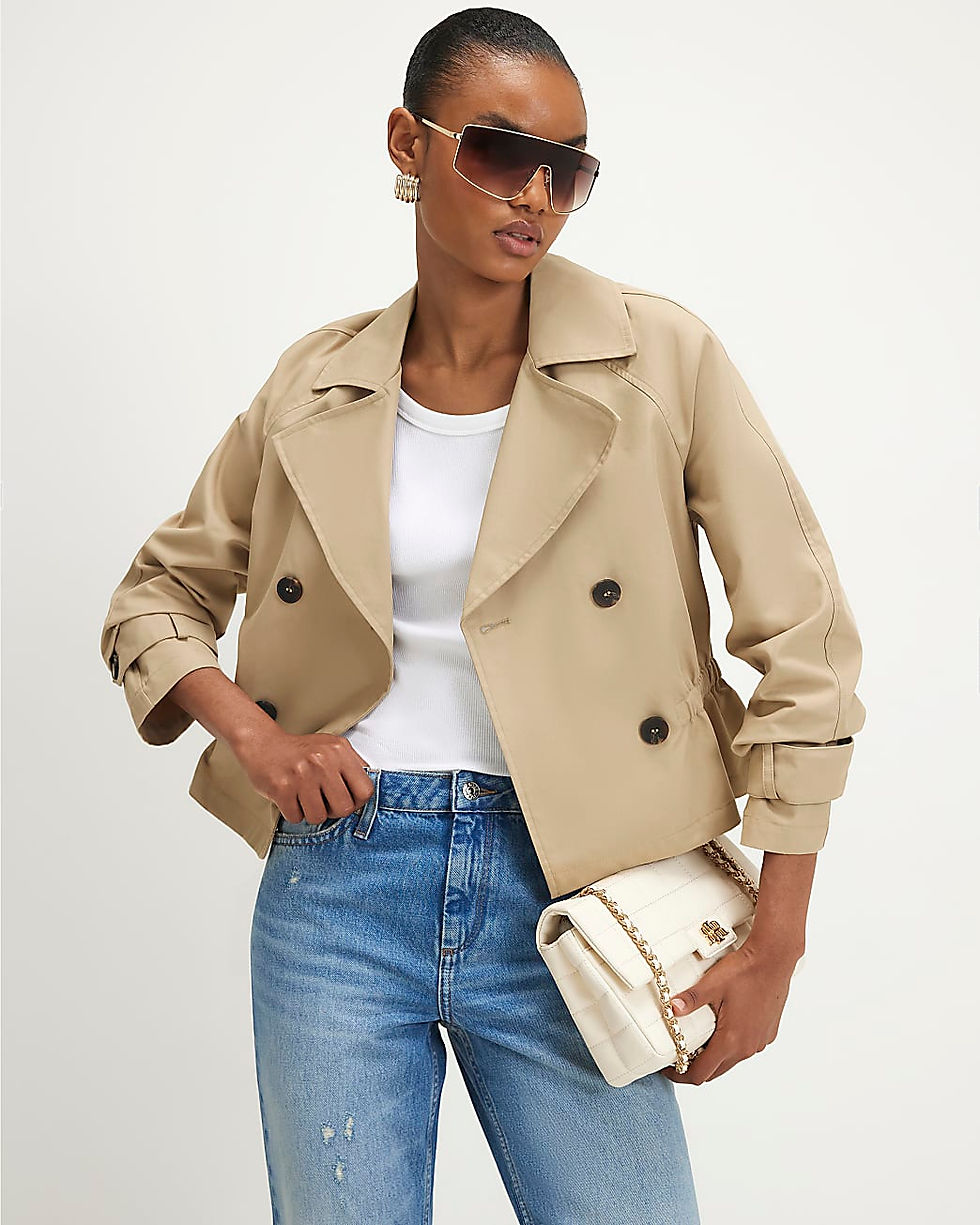
A versatile jacket is arguably one of the most important pieces in a trans-seasonal wardrobe.
The ideal style provides enough warmth for cooler weather without feeling like winter outerwear.
Depending on the client's personal style, options might include:
A tailored blazer
A denim jacket
A utility jacket
A lightweight trench
A leather or faux-leather jacket
A suede-style jacket
A chore jacket
A cropped jacket
The choice should be driven by the client's lifestyle and existing wardrobe, not trends alone.
A blazer, for example, can transform a summer dress into a more polished fall outfit, while a denim or utility jacket may suit a more casual client.
This is where personal styling becomes much more nuanced than simply recommending "must-have" items.
The Transitional Trouser

As temperatures begin to fall, clients often naturally shift from shorts and lightweight skirts to trousers or pants.
This doesn't mean every client needs a completely new trouser collection.
A well-fitting pair of jeans, tailored trousers, or wide-leg pants can become the foundation of numerous transitional outfits.
For stylists, focus on fit, proportion, and versatility.
Consider:
Does the silhouette work with the client's body proportions?
Can you dress it up or down?
Does it work with multiple shoe styles?
Can it be paired with both lightweight and heavier tops?
Does the color complement the client's existing wardrobe?
A pair of pants that works with a simple T-shirt in late summer and a sweater in October has considerably more value than a highly seasonal piece with limited styling potential.
The Shirt That Can Be Layered

A button-down shirt is an understated trans-seasonal hero.
In summer, wear it open over a tank top or tied at the waist. As the weather cools, wear it under knitwear, jackets, or blazers.
White, ivory, blue, and denim shirts are particularly versatile, but the best color depends on the client's palette and personal style.
Stylists should also consider fabric. Cotton, linen blends, and lightweight poplin can provide the structure needed for layering without adding excessive bulk.
The Summer Dress That Doesn't Need to Go Away

One of the biggest mistakes clients make during seasonal wardrobe changes is putting their summer dresses away too early. Many dresses can transition beautifully into fall.
Try styling them with:
Summer dress + cardigan + loafers
Summer dress + blazer + ankle boots
Summer dress + lightweight knit layered underneath + boots
Summer dress + leather jacket + sneakers
The styling trick is to change the supporting pieces.
A dress that feels unmistakably summery with sandals and a straw bag can look completely different with a structured jacket, darker footwear, and a more substantial handbag.
This is an important styling lesson: seasonality comes from the combination of pieces, not necessarily from one garment.
Jeans

Denim is one of the easiest bridges between summer and fall.
A pair of jeans can be worn with:
A simple tank top
A linen shirt
A T-shirt and blazer
A lightweight sweater
A cardigan
A button-down shirt
Stylists should focus not on whether the client owns jeans, but on whether they own the right jeans for their lifestyle and proportions.
Rather than recommending several denim trends, identify the one or two silhouettes that provide the greatest versatility.
A Transitional Skirt

Skirts should not automatically disappear from a wardrobe when summer ends.
Midi and maxi skirts can be especially effective during the transition because they pair well with both lightweight tops and warmer layers.
Try:
Midi skirt + T-shirt + blazer
or:
Slip skirt + fine-knit sweater + loafers
or:
Denim skirt + shirt + ankle boots
Pair a lighter, fluid fabric with a more structured or heavier layer to create visual balance and a distinctly transitional feel.
Loafers and Other Closed-Toe Shoes

Footwear is one of the quickest ways to shift an outfit from summer into fall.
Sandals and open-toe shoes naturally communicate warmer weather, while loafers, ballet flats, sneakers, and ankle boots can immediately make an outfit feel more appropriate for cooler temperatures.
Loafers are particularly useful because they can work with:
Jeans
Tailored trousers
Midi skirts
Dresses
Shorts
Socks or bare ankles
Stylists should consider the client's lifestyle before recommending footwear. A practical everyday shoe that works with six outfits is generally more valuable than a highly seasonal statement shoe.
A Versatile Ankle Boot

For clients who enjoy boots, a simple ankle boot can be one of the most useful purchases of the transitional season.
The key is versatility.
Consider the heel height, toe shape, shaft height, color, and overall silhouette in relation to the client's existing wardrobe.
Black, brown, taupe, and other neutral shades offer considerable flexibility, but clients don't need to choose a conventional autumn color.
A lighter boot can be particularly useful for clients who want to avoid making their outfits feel too heavy too early in the season.
The Transitional Handbag

Accessories are often overlooked when discussing seasonal wardrobe changes, but they can significantly affect how an outfit is perceived.
A lightweight summer tote can gradually be replaced or supplemented by a more structured handbag in a richer texture or deeper neutral.
Think about:
Structure
Texture
Size
Color
Hardware
Functionality
The objective isn't necessarily to buy a new bag every season. Instead, stylists can show clients how changing one accessory can alter the overall character of an existing outfit.
A Lightweight Scarf

A scarf is another small but effective transitional accessory.
It can provide warmth during cooler mornings while adding color, pattern, or texture to an otherwise simple outfit.
For color analysts and image consultants, scarves also provide an opportunity to introduce flattering colors close to the face.
This can be particularly useful when a client wants to incorporate seasonal colors without committing to a large number of new garments.
A Layering Tank or T-Shirt

The humble T-shirt remains useful well beyond summer.
A high-quality neutral T-shirt can act as a foundation underneath:
Blazers
Cardigans
Jackets
Shirts
Lightweight sweaters
Vests
For clients building a versatile wardrobe, investing in good-quality foundational pieces can often have a greater impact than purchasing multiple statement items.
How to Transition a Summer Color Palette Into Fall
Color is one of the most interesting elements of trans-seasonal styling.
Clients often believe that they need to move immediately from bright summer colors to traditional autumn shades. But seasonal color dressing doesn't have to be so literal.
Instead, consider color relationships.
You can pair a bright summer shade with a deeper neutral.
For example:
Pink + burgundy
Blue + chocolate brown
Butter yellow + camel
Green + navy
Cream + espresso
Red + charcoal
Lavender + deep plum
This creates a visual transition without requiring the client to abandon colors they love.
For color analysts, the client's individual coloring should remain central. A color's traditional association with fall does not automatically make it flattering.
The better question is:
How can the client's most flattering colors be incorporated into a seasonal wardrobe?
This distinction matters most when working with clients who have completed a professional color analysis.
Texture Is a Secret Weapon for Seasonal Transition
Texture can communicate seasonality just as effectively as color.
Think about the difference between:
linen + cotton + raffia
and:
suede + leather + knitwear
The first combination immediately feels summery, while the second feels more autumnal.
During the transition, the sweet spot often lies somewhere between the two.
Try combining:
Cotton with suede
Denim with knitwear
Silk with leather
Linen with tailoring
Satin with chunky knitwear
Lightweight jersey with structured jackets
This styling technique is particularly useful because it lets clients keep lightweight clothing while adding subtle seasonal cues.
Don't Forget the Power of Accessories
Accessories can transform a simple outfit.
Take a basic combination such as:
White T-shirt + jeans
In summer, style it with sandals, a woven bag, and delicate jewelry.
For fall, the same outfit might be styled with loafers, a leather belt, a structured handbag, a jacket, and a scarf.
The clothes haven't fundamentally changed.
The styling has.
This is precisely the kind of exercise personal stylists can use during wardrobe consultations. Instead of immediately telling the client what to buy, challenge them to create multiple seasonal versions of the same outfit.
A Stylist's Approach to the Summer-to-Fall Wardrobe Edit
When working with a client, resist the temptation to begin with a shopping list.
Start with the wardrobe.
Step 1: Identify the client's transitional pieces
Pull out garments that can work across seasons.
Look for:
Lightweight knitwear
Jackets
Jeans
Shirts
Dresses
Skirts
Trousers
Closed-toe shoes
Scarves
Layering pieces
Step 2: Identify wardrobe gaps
After assessing the existing wardrobe, determine what is genuinely missing.
Perhaps the client needs one versatile jacket rather than three new sweaters.
Perhaps their wardrobe lacks a suitable pair of transitional shoes.
Perhaps they have plenty of clothing but no pieces that layer effectively.
Let this analysis guide the shopping list.
Step 3: Build outfits before shopping
This is one of the most valuable exercises a stylist can perform.
Create several complete outfits with what you already own.
Then identify where one missing item could unlock several additional combinations.
For example, if five outfits would work with the addition of one blazer, that blazer has a much stronger case for purchase than another sweater that creates only one new outfit.
Step 4: Consider the client's lifestyle
Trans-seasonal wardrobes need to work in real life.
A client who walks to work needs different footwear and outerwear from someone who drives everywhere. Someone working in a corporate environment has different layering requirements from someone working from home.
Personal styling should always connect wardrobe recommendations to lifestyle.
Step 5: Introduce trends selectively
Fall is one of the biggest fashion seasons, and clients will inevitably encounter trend content online and in stores.
Stylists can help clients distinguish between:
A trend they like
and
A trend that genuinely adds value to their wardrobe.
A trend becomes more useful when it fits the client's lifestyle, personal style, coloring, existing wardrobe, and budget.
What Should Clients Avoid Buying for the Sake of a New Season?
Seasonal marketing can make it seem like a new season requires a completely new wardrobe.
It doesn't.
Stylists can help clients avoid unnecessary purchases by asking:
Do I already own something similar?
Can I style what I already have differently?
Will this work with at least three existing outfits?
Does it fit my lifestyle?
Does it suit my personal style?
Is it comfortable and practical?
Will I still want to wear it next year?
These questions encourage more intentional shopping and help clients build wardrobes based on versatility rather than novelty.
Trans-Seasonal Styling Is About More Than Clothes
The summer-to-fall transition is an ideal opportunity for personal stylists and image consultants to demonstrate the real value of professional styling.
A stylist isn't simply telling a client what is fashionable.
They are helping the client understand:
What works for them
What they already own
What they actually need
How to combine pieces effectively
How to adapt outfits to changing weather
How to shop strategically
How to create more outfits from fewer pieces
That is the difference between a wardrobe full of clothes and a wardrobe that genuinely works.
Final Thoughts: Build the Bridge Between Seasons
Trans-seasonal styling is ultimately about creating a bridge between summer and fall rather than treating the two seasons as completely separate wardrobes.
For personal stylists, aspiring stylists, and image consultants, it is an opportunity to put core styling principles into practice: versatility, proportion, color, texture, layering, and intentional shopping.
The most useful trans-seasonal wardrobe isn't necessarily the one with the most pieces. It is the one where individual garments can perform in multiple ways.
A summer dress becomes a fall dress with the right layers. A T-shirt becomes a foundation piece. A blazer becomes outerwear. A scarf introduces warmth and color. A change of footwear shifts an outfit's entire mood.
And that is perhaps the most valuable lesson to pass on to clients:
You don't need to replace your wardrobe every time the season changes. You need to learn how to style it differently.
For professional stylists, that mindset can transform how you approach seasonal wardrobe edits, personal shopping, and client education—and help your clients build wardrobes that are more versatile, intentional, and genuinely personal.
Happy Styling!
Louisa 💕