
The Personal Stylist's Guide to Fall 2026 Fashion Trends

If you're a personal stylist or image consultant, summer is actually one of the best times to start thinking about fall.
While your clients may still be reaching for linen dresses, sandals, and lightweight layers, the fashion industry has already moved on. Fall collections are arriving in stores, retailers are preparing seasonal campaigns, and clients will soon be looking to their stylists for advice on what to buy, what to wear, and which trends are actually worth incorporating into their wardrobes.
And that's where professional styling goes beyond simply knowing what's fashionable.
Your job isn't to persuade every client to adopt the latest runway trend. It's to understand the direction fashion is moving in and then interpret it through the lens of the individual client—considering their lifestyle, personality, coloring, body proportions, existing wardrobe, and budget.
For Fall 2026, fashion is taking an interesting direction. We're seeing richer colors, tactile fabrics, relaxed tailoring, romantic influences, heritage dressing, statement outerwear, and accessories with considerably more personality.
At the same time, some of the dominant aesthetics of recent seasons are beginning to evolve.
Here's what personal stylists and image consultants need to know about Fall 2026 fashion trends—and, more importantly, how to translate them into wearable wardrobes.
Why Stylists Should Be Planning for Fall Now
One of the advantages of working with a professional stylist is being ahead of the curve.
By the time your client walks into a department store and says, "I need some new clothes for fall," you ideally want to have already considered the season's key trends and identified which ones could work for them.
Planning ahead gives you time to:
Review upcoming seasonal trends
Identify relevant pieces for individual clients
Create seasonal shopping lists
Plan wardrobe edit appointments
Build fall capsule wardrobes
Prepare virtual styling recommendations
Create seasonal content for your own business
Research retailers and brands before clients are ready to shop
It also allows you to distinguish between a genuine fashion direction and a short-lived microtrend.
That's an important distinction.
A professional stylist doesn't simply know what's trending. They know which trends are worth paying attention to.
The Biggest Fall 2026 Fashion Trends Every Stylist Should Know
Fashion trends rarely appear completely out of nowhere. They evolve from previous seasons, cultural influences, consumer behavior, and changes in the way people want to dress.
For Fall 2026, we're seeing a combination of familiar influences and new interpretations.
The overall direction feels more expressive than the minimalist fashion of recent years, but it isn't necessarily about dressing dramatically. Instead, designers are introducing personality through color, texture, proportion, and carefully chosen statement pieces.
Let's look at the trends most relevant to professional stylists.
Luxe Leather and Faux Leather

Leather and faux leather are continuing to play a major role for fall, but the aesthetic has become considerably more sophisticated.
Rather than relying primarily on traditional leather biker jackets, we're seeing leather used across a much broader range of wardrobe pieces:
Leather trench coats
Tailored leather jackets
Leather blazers
Midi skirts
Leather trousers
Leather shirts
Leather dresses
Structured leather accessories
Color is also important. Black remains a classic, but rich chocolate, espresso, burgundy, oxblood, and deep green offer a softer and more contemporary interpretation.
Stylist's Take
Leather can be intimidating for some clients, particularly if their personal style is traditionally feminine, classic, or understated.
You don't necessarily need to start with a full leather garment.
A leather handbag, belt, shoe, or tailored jacket can introduce the trend without changing the client's entire aesthetic.
The key is to interpret the trend rather than reproduce it exactly as it appears on the runway.
Modern Bohemian

Bohemian dressing continues to evolve.
The new interpretation is less festival-inspired and more polished, romantic, and sophisticated. Think flowing silhouettes, suede, fringe, embroidery, lace, romantic blouses, maxi dresses, and relaxed layering.
The difference is in the styling.
Rather than wearing every bohemian element simultaneously, the Fall 2026 approach feels more considered.
Stylist's Take
For a client who wouldn't normally identify with bohemian style, introduce one element.
A flowing blouse can be paired with tailored trousers. A suede jacket can be worn with straight-leg denim. A romantic maxi skirt can be balanced with a structured blazer.
This allows clients to experiment without feeling as though they're wearing a costume.
Soft Power Tailoring

Tailoring isn't disappearing—it is becoming softer.
The sharp, highly structured power suit is giving way to relaxed blazers, wide-leg trousers, waistcoats, fluid fabrics, longer jackets, and softer shoulders.
The result is still polished and authoritative, but considerably less rigid.
This is particularly relevant for clients who want a professional wardrobe that feels modern without being overly corporate.
Stylist's Take
Relaxed tailoring needs to be carefully proportioned.
Oversized doesn't automatically mean flattering.
Consider the client's height, proportions, body shape, and preferred level of structure. A voluminous blazer may work beautifully with a streamlined trouser, while a wide-leg trouser may need a more defined waist or shorter jacket.
The trend is about intentional volume, not simply wearing larger clothes.
Rich, Deep Color

Fall 2026 is embracing color—but not necessarily bright, highly saturated shades.
The palette is rich, sophisticated, and earthy.
Expect to see plenty of:
Chocolate brown
Espresso
Burgundy
Oxblood
Aubergine
Forest green
Moss
Olive
Tobacco
Camel
These shades work particularly well for autumn wardrobes because they can be combined with existing neutrals while adding considerably more depth.
Stylist's Take
This is an excellent opportunity to move clients beyond the idea that black is the only sophisticated neutral.
A client who lives in black and grey may find chocolate brown or deep burgundy an easy transition.
Color analysis also becomes particularly useful here. Rather than simply telling a client that "brown is trending," consider which version of brown actually works with their natural coloring.
Suede Everywhere

If one texture deserves particular attention for Fall 2026, it's suede.
Suede appears across everything from outerwear to accessories:
Suede jackets
Overshirts
Midi skirts
Boots
Loafers
Handbags
Belts
Structured totes
The appeal is easy to understand. Suede adds softness and richness to an outfit while immediately creating a distinctly autumnal feel.
Stylist's Take
For clients who don't want to invest heavily in the trend, accessories provide an easy entry point.
A suede handbag or pair of boots can completely change the feel of an otherwise classic outfit.
And remember to consider practicality. Clients who live in particularly wet climates may appreciate alternatives that provide the same visual effect without requiring quite as much maintenance.
Heritage and Modern Country Dressing

Heritage dressing continues to influence fashion, but the Fall 2026 interpretation feels more contemporary than traditional.
Think:
Tweed
Plaid
Cable knits
Quilted jackets
Waxed outerwear
Riding boots
Wool coats
Equestrian-inspired pieces
The important distinction is that we're not talking about creating a head-to-toe country look.
It's about incorporating individual heritage-inspired elements into a modern wardrobe.
Stylist's Take
A client might pair a tweed blazer with straight-leg jeans and loafers, or wear a quilted jacket over a simple knit dress.
One heritage piece can provide plenty of seasonal interest.
Elevated Knitwear

Knitwear continues to be an important part of the fall wardrobe, but basic sweaters are no longer the whole story.
Look for:
Sculptural cardigans
Fine-gauge turtlenecks
Sweater dresses
Ribbed co-ordinates
Knit polo shirts
Textured sweaters
Matching knit sets
The emphasis is on knitwear that can function as an actual outfit rather than simply a layering piece.
Stylist's Take
Knitwear can be particularly useful when creating a capsule wardrobe.
A well-chosen sweater can work with jeans, tailored trousers, skirts, and under jackets, giving clients multiple outfits from one piece.
Animal Print as a Neutral

Animal print continues to have staying power.
Leopard remains the obvious choice, while snake and other animal-inspired patterns can also add interest to fall wardrobes.
The important shift is that animal print is increasingly being treated as a neutral rather than an occasional statement.
Stylist's Take
This makes the trend much easier to introduce to clients.
A leopard-print belt, handbag, shoe, or scarf can act almost like another neutral accessory.
For clients who are more adventurous, a printed skirt or coat can become the focal point of an outfit.
For clients who prefer classic dressing, keep the print small and let the rest of the outfit remain simple.
Statement Outerwear

Outerwear is becoming one of the most important parts of the fall wardrobe.
That's particularly relevant for stylists because clients may spend months wearing the same coat repeatedly.
Key silhouettes include:
Long wool coats
Belted coats
Cape-inspired coats
Structured trenches
Leather coats
Barn and utility jackets
Oversized tailored coats
Stylist's Take
This is one area where I would encourage clients to think about investment rather than impulse buying.
A high-quality coat that works with the majority of a client's wardrobe can be far more valuable than several inexpensive trend pieces.
Consider color carefully too. A chocolate, camel, burgundy, or deep green coat can create considerably more versatility than clients might initially expect.
Accessories With Personality
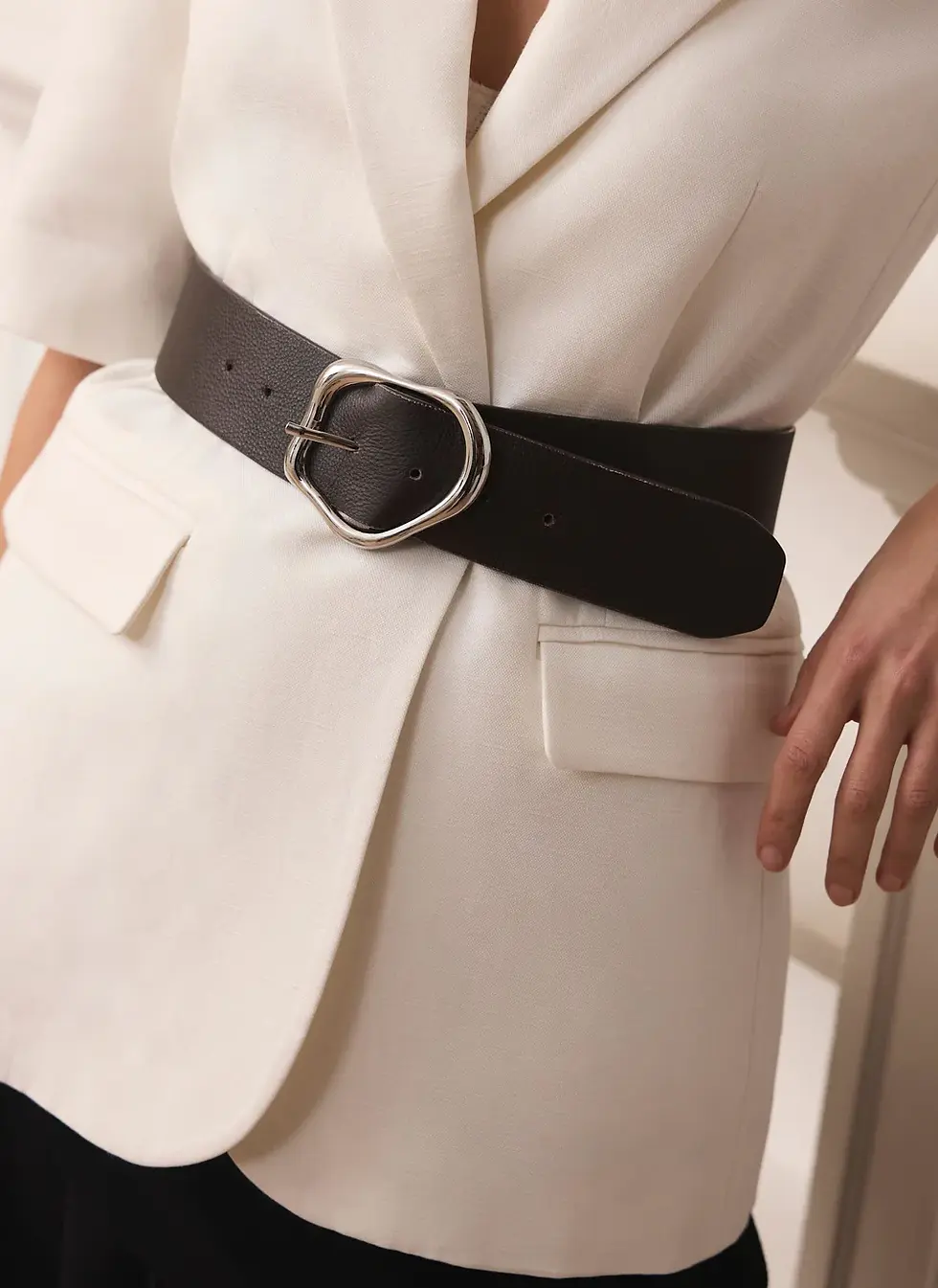
Accessories are becoming more expressive.
After several seasons dominated by understated styling, Fall 2026 brings more opportunities for
personality through:
Sculptural jewelry
Oversized earrings
Wide belts
Silk scarves
Structured handbags
Decorative brooches
Statement shoes
Accessories are one of the easiest ways to participate in a trend without completely changing a wardrobe.
Stylist's Take
This is particularly useful for clients who are reluctant to experiment with clothing.
A classic wardrobe can instantly feel more current with the addition of a statement belt, sculptural earrings, or an interesting handbag.
Fashion Trends We're Leaving Behind For Fall 2026
Every season brings change, but professional stylists should be careful about describing trends as simply "out."
Something becoming less dominant on the runway doesn't mean your clients need to throw it away.
Instead, look at how the aesthetic is evolving.
Ultra-Minimal Quiet Luxury
Quiet luxury has had an enormous influence over recent fashion, with understated neutrals, discreet branding, and minimalist styling dominating the conversation.
Quality and timelessness aren't going anywhere, but the overall mood is becoming more expressive.
Color, texture, accessories, and individuality are taking up more space.
Stylist's Take: Don't tell a client their minimalist wardrobe is outdated. Instead, look for opportunities to introduce personality while maintaining the sophistication they love.
Head-to-Toe Beige and Neutrals
Neutral dressing will always have a place in a well-built wardrobe, but Fall 2026 is moving beyond beige, cream, and grey as the default palette.
Deeper colors such as burgundy, chocolate, olive, and aubergine provide more visual depth.
Stylist's Take: Help clients expand their definition of a neutral. A deep chocolate brown can function just as effectively as black while creating a completely different impression.
Extremely Distressed Denim
Denim remains essential, but heavily distressed styles are losing some of their dominance.
Cleaner washes and more refined silhouettes are becoming increasingly important, including:
Dark denim
Straight-leg jeans
Wide-leg jeans
Structured denim
Premium finishes
Stylist's Take: Prioritize fit and proportion over the latest denim trend. The right pair of jeans can remain a wardrobe staple for years.
Extremely Oversized Silhouettes
Relaxed dressing isn't disappearing, but exaggerated volume is becoming more intentional.
Instead of wearing oversized pieces from head to toe, designers are creating balance between volume and structure.
Stylist's Take: This is a perfect opportunity to demonstrate the importance of proportion. If one part of an outfit is oversized, consider balancing it with something more streamlined.
Disposable Microtrends
Perhaps the biggest trend we're moving away from is the idea that every new fashion cycle requires a new wardrobe.
Clients are becoming increasingly interested in versatility, quality, longevity, and personal style.
For professional stylists, this represents an important shift.
Your value isn't in helping clients buy more clothes. It's in helping them make better choices.
How Stylists Should Actually Use Fall 2026 Trends
This is where professional styling differs from simply following fashion.
A client doesn't need to wear every trend.
In fact, they shouldn't.
When considering whether to introduce a Fall 2026 trend, ask:
Does it suit their personal style?
A trend should feel like an extension of the client's existing aesthetic rather than a complete departure from it.
Does it work with their lifestyle?
A beautiful suede skirt isn't particularly useful if the client spends most of their day chasing children, commuting by bicycle, or working in an environment where casual clothing is essential.
Does the color work for them?
Trending colors shouldn't automatically override color harmony.
The stylist's job is to identify the version of a trend that complements the individual.
Does the silhouette work with their proportions?
Runway styling is designed to communicate an idea. It isn't necessarily designed for everyday wear.
Translate the silhouette rather than copying it.
Does the client actually like it?
This may sound obvious, but it's one of the most important questions.
A client who dislikes a trend isn't going to feel confident wearing it simply because it's fashionable.
Start Planning Your Fall Client Appointments Now
You don't need to wait until September or October to start preparing.
Late summer is an excellent time to contact existing clients and offer seasonal styling services.
Consider creating:
Fall Wardrobe Edit
Help clients review their current wardrobe, identify what still works, and create a shopping list for the season.
Fall Shopping Session
Use the client's existing wardrobe and lifestyle requirements to create a targeted shopping list incorporating relevant Fall 2026 trends.
Seasonal Capsule Wardrobe
Create a practical fall capsule that combines timeless staples with carefully selected seasonal pieces.
Trend Consultation
Not every client wants a complete wardrobe overhaul. A trend consultation can help them understand which new styles are worth considering and which aren't relevant to them.
Virtual Fall Styling
For clients who aren't local, create digital shopping lists, outfit combinations, mood boards, or virtual wardrobe consultations.
Planning these services now means you're ready when clients begin thinking about their fall wardrobes.
The Bigger Picture for Personal Stylists
One of the most valuable skills you can develop as a personal stylist is the ability to separate fashion information from fashion advice.
Knowing that suede is trending is information.
Knowing that your client would look and feel fantastic in a chocolate suede jacket, but would never wear a suede skirt, is styling expertise.
Knowing that another client shouldn't buy either because their lifestyle doesn't support the fabric is also styling expertise.
And knowing when a client already has enough of the trend sitting in their wardrobe is perhaps the most valuable advice of all.
That's why professional stylists need to understand trends—but never become controlled by them.
Final Thoughts: Fashion Moves Forward, Personal Style Remains
Fall 2026 is shaping up to be an interesting season for fashion.
We're seeing a move toward richer color, tactile fabrics, relaxed tailoring, romantic influences, heritage dressing, expressive accessories, and statement outerwear.
At the same time, fashion is moving away from overly minimalist wardrobes, extreme distressing, exaggerated proportions, and disposable microtrends.
But perhaps the most important development is the continued emphasis on individuality.
For personal stylists and image consultants, that's good news.
Your role isn't to turn every client into a walking version of the latest runway collection.
It's to understand where fashion is going and decide what deserves a place in your client's wardrobe.
Sometimes that means introducing a new trend.
Sometimes it means updating an existing piece.
And sometimes it means telling your client, "You don't need that."
That's what makes personal styling valuable.
The best trend isn't necessarily the one that's newest. It's the one that makes your client feel like the best version of themselves.
Happy Fall Styling!
Louisa 💕