
Maximalist Style Is Back for 2026: How Personal Stylists Can Embrace Bold Fashion with Confidence

After years of pared-back palettes, capsule wardrobes, and “quiet luxury,” fashion is swinging decisively in the opposite direction. For 2026, maximalist style is officially back! And this time, it’s louder, more personal, and more intentional than ever.
For personal stylists, aspiring stylists, and fashion lovers alike, this resurgence presents an exciting opportunity. Maximalism isn’t about chaos for the sake of it; it’s about expression, storytelling, and confident individuality. Let’s explore what maximalist style really is, where it comes from, and most importantly, how to style it in a wearable, client-friendly way.

What Is Maximalist Style?
At its core, maximalist style celebrates the idea that more is more. It embraces:
Bold color combinations
Layering and texture mixing
Statement accessories
Prints worn together (yes, together!)
A sense of personality over perfection
Maximalism rejects rigid fashion “rules” in favour of creativity and self-expression. Where minimalism asks, “What can I remove?”, maximalism asks, “What can I add that tells my story?”
For stylists, this means shifting the conversation from trends and formulas to identity, confidence, and emotional connection to clothing.
Where Maximalism Comes From
Maximalism isn’t new—it’s cyclical.
Historically, maximalist fashion has appeared during times of cultural change and creative rebellion. Think of the ornate dressing of the Victorian era, the flamboyance of 1970s glam, or the bold excess of 1980s fashion.
In more recent history, designers like Iris Apfel championed maximalism as a deeply personal form of style. Her fearless approach to color, oversized jewellery, and eclectic layering proved that style has no age limit—and no need for restraint.
Luxury fashion houses such as Versace have also long embraced maximalism through vivid prints, dramatic silhouettes, and unapologetic glamor.
Fast forward to 2026, and maximalism is re-emerging as a reaction to:
Post-pandemic self-expression
Digital fatigue and “same-same” aesthetics
A renewed desire for individuality over uniformity
Why Maximalism Matters for Personal Stylists
Maximalism offers stylists a powerful tool: permission.
Many clients secretly love color, prints, and statement pieces, but fear looking “too much.” As stylists, understanding maximalist principles allows you to:
Encourage confident self-expression
Break clients out of safe, repetitive dressing
Create memorable, signature looks
Differentiate your styling services
It’s not about forcing boldness—it’s about guiding it.
How to Style Maximalism (Without Overwhelming the Look)
The key to successful maximalist styling is intentional balance. Here’s how to make it wearable and chic.
1. Start With One Hero Piece
Anchor the outfit with a standout item:
A brightly patterned blazer
A bold printed skirt
Statement trousers in a saturated color
Styling example: Pair a vibrant velvet blazer with neutral pants and boots. The blazer leads; everything else supports.

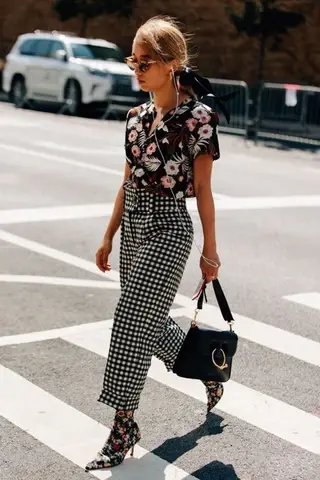
2. Mix Prints With a Common Thread
Print mixing works best when there’s a unifying element:
Shared color palette
Similar scale of pattern
Complementary themes
Styling example: Floral print blouse with checked pants - Black and white are the connecting threads.
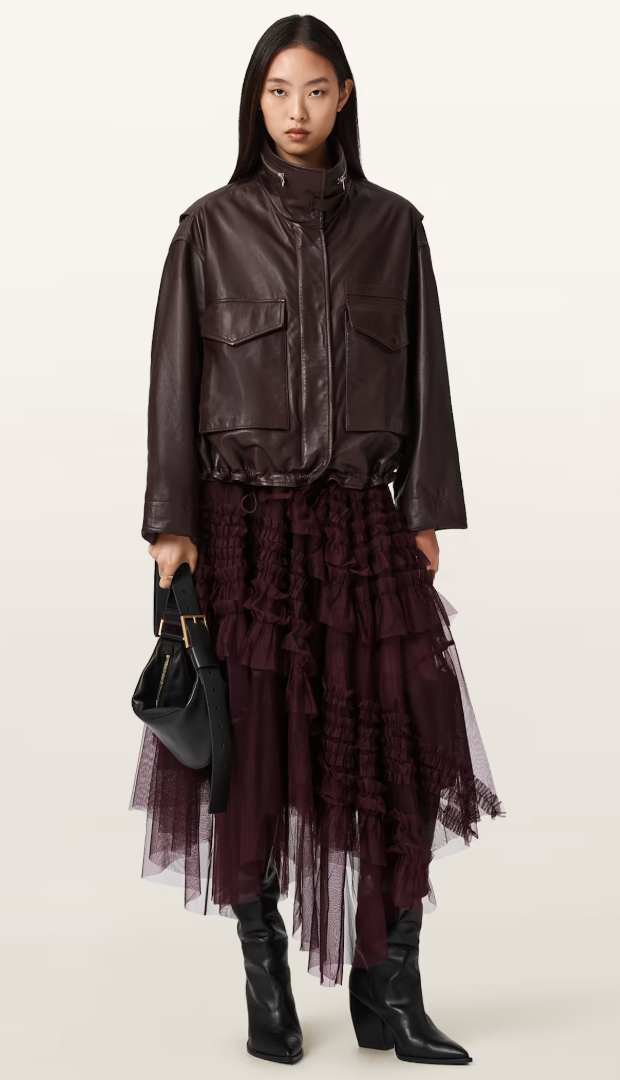
3. Layer Textures for Depth
Maximalism isn’t only visual—it’s tactile.
Combine:
Silk with tweed
Denim with velvet
Knitwear with leather
Styling example: A tulle skirt with a leather bomber jacket and cowboy boots
4. Accessories Are Non-Negotiable
In maximalist styling, accessories aren’t an afterthought—they’re essential.
Think:
Oversized earrings
Layered necklaces
Colorful handbags
Bold eyewear
Styling example: A simple outfit (wide-leg trousers, a blazer, and a blouse) elevated with stacked bangles, a statement necklace, and a vivid handbag.

5. Use Color Confidently
Maximalism thrives on unexpected color pairings:
Pink and red
Green and purple
Blue and orange
For hesitant clients, start small by introducing color through accessories before building up to full outfits.

Maximalism for Different Client Types
Not every client will want full runway drama—and that’s okay.
Minimalist clients: Introduce “soft maximalism” with color, texture, or one bold accessory.
Creative professionals: Lean into print mixing and artistic silhouettes.
Classic dressers: Use tailored shapes in bold hues rather than experimental cuts.
Maximalism should always feel authentic, never costume-like.
Final Thoughts: Maximalism as a Styling Skill
For 2026, maximalism isn’t about being loud; it’s about being seen. As personal stylists and image consultants, you can help clients express who they truly are by learning to interpret maximalist style thoughtfully.
The most stylish maximalist looks are curated, confident, and deeply personal—and that’s where your expertise comes in.
Happy Styling!
Louisa 💕